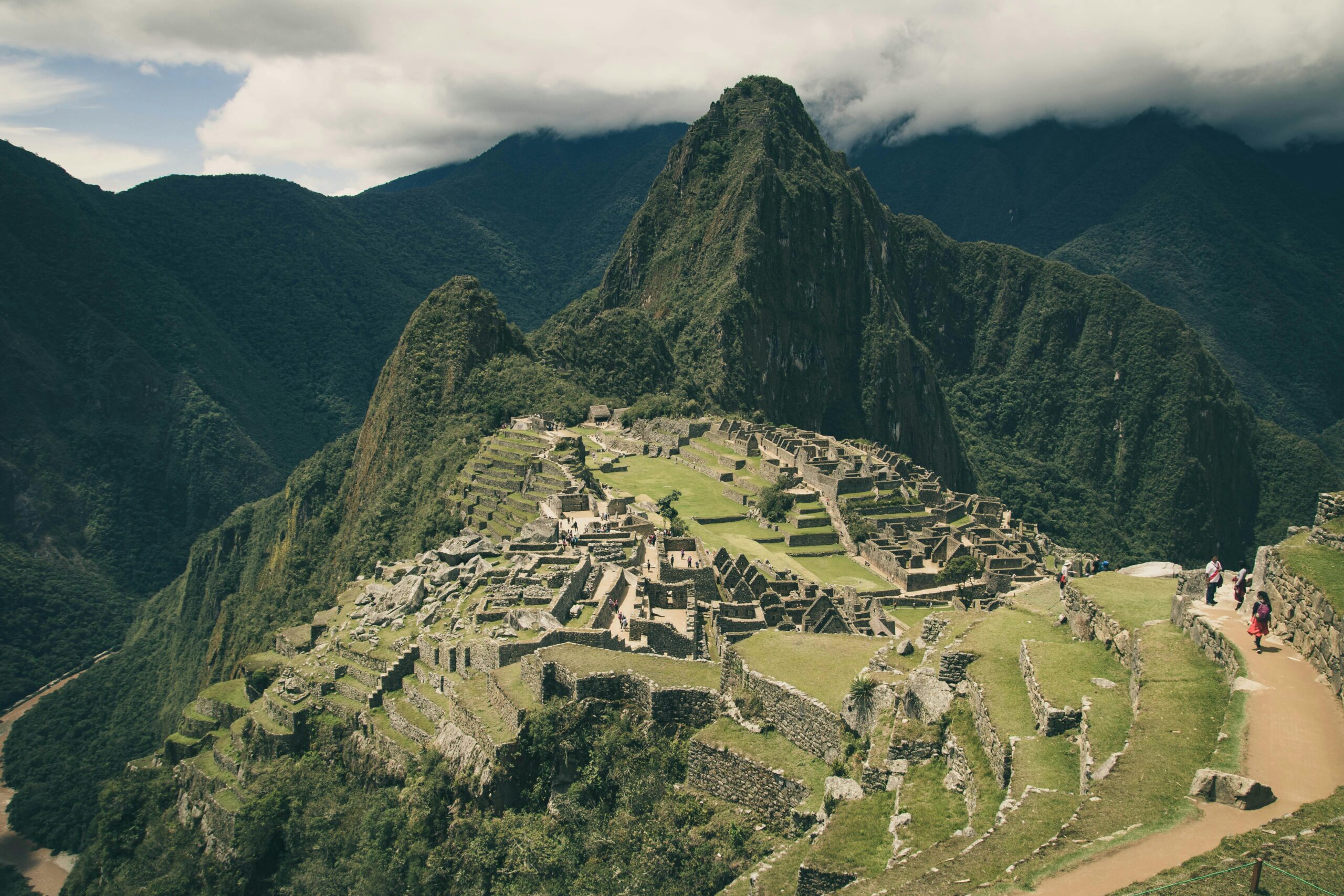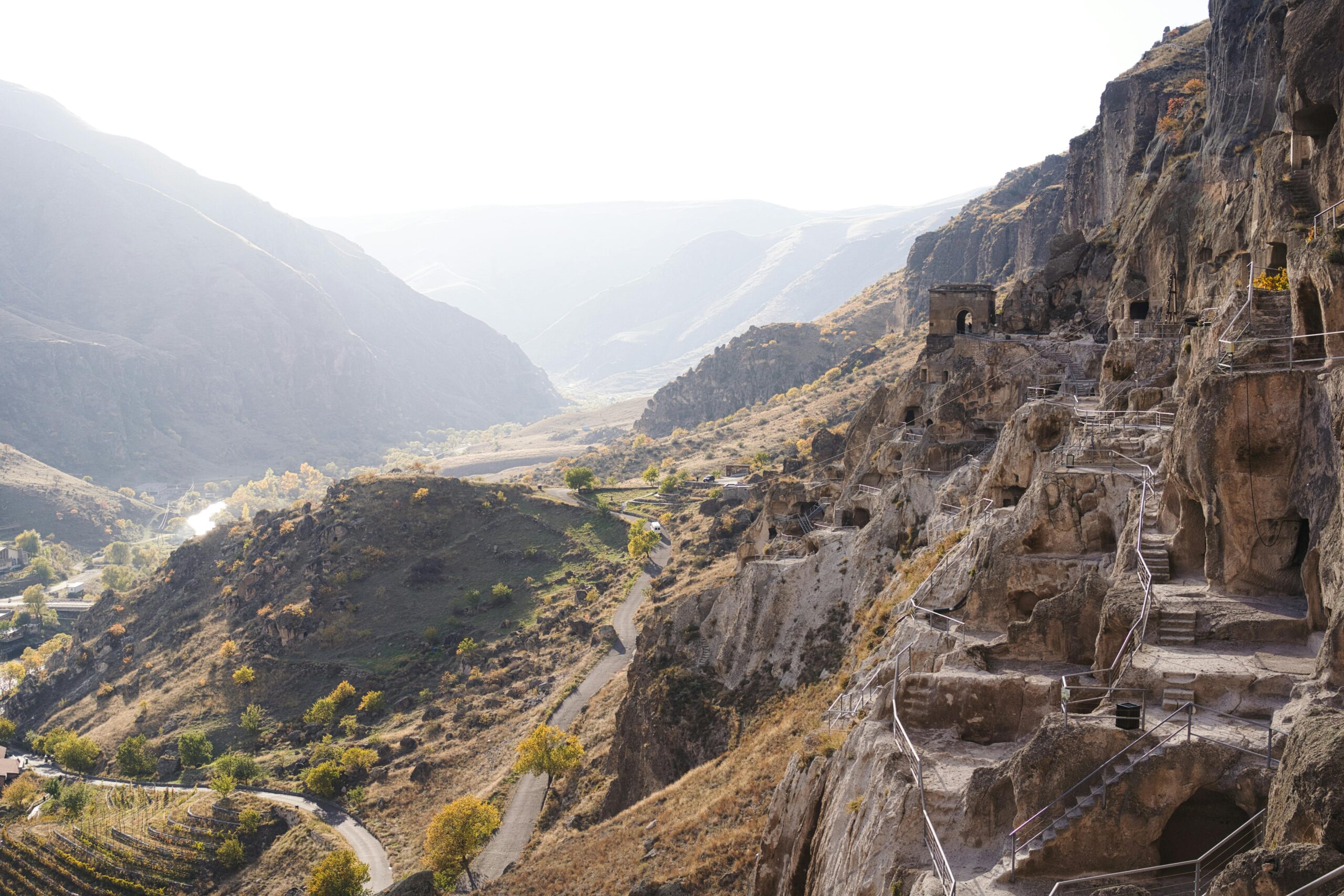
Across continents and centuries, countless sacred spaces lie hidden beneath layers of earth, vegetation, and time. These forgotten religious complexes hold within their weathered walls the secrets of civilizations that once thrived, prayed, and sought divine connection.

The rediscovery of these ancient sanctuaries offers modern humanity a profound opportunity to reconnect with spiritual traditions long thought lost. From jungle-covered temples in Southeast Asia to desert monasteries in the Middle East, these sites whisper stories of devotion, architectural brilliance, and cultural sophistication that challenge our understanding of human history and religious expression.
🏛️ The Allure of Lost Sacred Spaces
There exists something deeply captivating about encountering a religious structure that has been reclaimed by nature or buried by the sands of time. These forgotten complexes represent more than mere archaeological curiosities—they are tangible connections to humanity’s eternal quest for meaning, transcendence, and communion with the divine.
When explorers stumble upon a hidden monastery nestled in remote mountain passes or archaeologists uncover temple foundations beneath modern cities, they’re not simply finding old buildings. They’re discovering portals into the spiritual consciousness of entire civilizations, complete with their unique interpretations of cosmology, morality, and the sacred.
Why Religious Sites Become Forgotten
The abandonment of sacred complexes typically follows patterns of cultural upheaval, environmental catastrophe, or gradual demographic shifts. Wars and conquests have historically led to the deliberate destruction or neglect of religious sites belonging to defeated peoples. Natural disasters—earthquakes, floods, volcanic eruptions—have buried entire temple complexes within hours.
Economic decline often precipitates the abandonment of elaborate religious centers that require substantial resources for maintenance. As populations migrate toward more prosperous regions, the sacred spaces they leave behind gradually succumb to the elements, becoming overgrown with vegetation or buried beneath accumulating sediment and debris.
🌍 Notable Rediscovered Religious Complexes Around the World
The twentieth and twenty-first centuries have witnessed remarkable rediscoveries that have fundamentally altered our understanding of religious history and architectural achievement. These findings continue to emerge from jungles, deserts, and even urban environments, each revelation adding new chapters to humanity’s spiritual narrative.
Angkor Wat and the Khmer Temple Network
While Angkor Wat itself never truly vanished from local knowledge, the full extent of the Khmer religious complex remained hidden until modern archaeological surveys revealed a sprawling network of temples, hydraulic systems, and settlements covering over 1,000 square kilometers. This vast sacred landscape, constructed between the 9th and 15th centuries, demonstrates the sophistication of Khmer civilization and their integration of Hindu and Buddhist spiritual concepts into monumental architecture.
Recent LiDAR technology has unveiled even more structures hidden beneath the dense Cambodian jungle, suggesting that the religious significance of this region extended far beyond previously imagined boundaries. The intricate bas-reliefs depicting scenes from Hindu epics and Buddhist teachings continue to inspire both scholarly research and spiritual contemplation.
The Rock-Hewn Churches of Lalibela
In the highlands of Ethiopia, eleven remarkable churches carved entirely from solid volcanic rock stand as testament to medieval Christian devotion. Dating to the 12th and 13th centuries, these structures were commissioned by King Lalibela and designed to represent a “New Jerusalem” after Muslim conquests made pilgrimage to the Holy Land dangerous for Ethiopian Christians.
These churches, which include the iconic Church of Saint George carved in the shape of a cross, remained relatively unknown to the wider world until the mid-20th century. Their architectural ingenuity—carved from the top down into the living rock—represents a unique fusion of spiritual vision and technical mastery that continues to fascinate architects and theologians alike.
Göbekli Tepe: Rewriting Religious History
Perhaps no archaeological discovery has more profoundly challenged our understanding of early religious expression than Göbekli Tepe in southeastern Turkey. Dating to approximately 9600 BCE—predating Stonehenge by over 6,000 years and the Egyptian pyramids by 7,000—this complex of massive stone pillars arranged in circles suggests that organized religion may have preceded agriculture and permanent settlements.
The site’s T-shaped megalithic pillars, decorated with carved reliefs of animals and abstract symbols, indicate a sophisticated symbolic vocabulary and the capacity to mobilize considerable labor for purely ceremonial purposes. This discovery has forced archaeologists to reconsider fundamental assumptions about the progression of human civilization and the role of religious motivation in social organization.
🔍 Methods of Discovery and Archaeological Innovation
The rediscovery of forgotten religious complexes increasingly relies on cutting-edge technology that allows researchers to peer beneath ground cover without excavation. These methods have revolutionized archaeology, enabling the identification of sites that might otherwise remain hidden for generations.
Remote Sensing Technologies
LiDAR (Light Detection and Ranging) technology has proven particularly transformative for discovering religious sites hidden beneath jungle canopy. By sending laser pulses from aircraft and measuring their return time, researchers can create detailed topographical maps that reveal architectural features obscured by dense vegetation. This technology has led to discoveries of previously unknown temple complexes in Cambodia, Guatemala, and Honduras.
Ground-penetrating radar provides another non-invasive method for detecting buried structures. This technology has revealed hidden chambers within pyramids, located subterranean monasteries, and identified the foundations of religious buildings beneath modern urban development.
Satellite Imagery and Artificial Intelligence
High-resolution satellite imagery combined with artificial intelligence algorithms now enables researchers to scan vast territories for telltale signs of archaeological sites. Machine learning systems trained to recognize patterns associated with human construction can identify potential sites with increasing accuracy, directing field researchers to promising locations.
These technologies democratize discovery to some extent, allowing citizen scientists and amateur archaeologists to contribute to the identification of forgotten sacred spaces by analyzing publicly available satellite data.
💎 The Beauty Within: Architectural and Artistic Treasures
The rediscovery of forgotten religious complexes invariably reveals artistic achievements that expand our appreciation for the aesthetic sensibilities and technical capabilities of ancient cultures. These sacred spaces were designed not merely as functional structures but as embodiments of theological concepts and cosmological understanding.
Sacred Geometry and Cosmic Alignment
Many rediscovered religious complexes demonstrate sophisticated understanding of astronomy and mathematical principles. Temples aligned with solstices and equinoxes, proportional systems based on sacred numbers, and architectural layouts reflecting cosmological maps reveal that ancient builders conceived of their structures as microcosms of divine order.
The precision with which these alignments were achieved—often without modern surveying equipment—speaks to the importance placed on creating spaces that harmonized earthly worship with celestial patterns. This integration of architectural design with astronomical observation underscores the holistic worldview characteristic of many ancient religious traditions.
Frescoes, Mosaics, and Sculptural Programs
The artistic decoration of religious spaces served pedagogical and devotional functions, communicating complex theological narratives to communities with varying levels of literacy. Rediscovered frescoes from Byzantine churches, elaborate stone carvings from Hindu temples, and intricate mosaics from ancient synagogues provide visual records of religious beliefs and practices that might otherwise be known only through fragmentary texts.
The preservation of these artworks varies considerably depending on environmental conditions and the materials used. Desert climates have preserved vibrant pigments in some locations, while humid tropical environments have accelerated deterioration. Conservation efforts following rediscovery must balance public access with the imperative to preserve these irreplaceable cultural treasures.
🕊️ Spiritual Significance in the Modern Context
The rediscovery of forgotten religious complexes offers contemporary society opportunities for spiritual reflection and renewed engagement with sacred traditions. These sites serve as bridges between past and present, inviting modern visitors to experience the numinous qualities that originally inspired their creation.
Pilgrimage and Religious Tourism
Many rediscovered sacred sites have been reclaimed by religious communities who see in them connections to ancestral faith traditions. The rock-hewn churches of Lalibela continue to function as active places of worship for Ethiopian Orthodox Christians, while Buddhist monks have returned to restore and inhabit some previously abandoned temples in Southeast Asia.
This revitalization raises important questions about authenticity, preservation, and the tension between sacred use and tourist interest. How can these spaces accommodate the devotional needs of religious practitioners while remaining accessible to scholars and curious visitors? Finding this balance requires sensitivity to the living traditions that claim these sites as part of their heritage.
Interfaith Understanding and Historical Perspective
Forgotten religious complexes provide valuable opportunities for interfaith dialogue and understanding. By studying the sacred spaces of diverse traditions, contemporary communities can appreciate the universal human impulse toward transcendence while respecting the particular expressions that different cultures have developed.
Archaeological evidence from these sites also complicates simplistic historical narratives, revealing patterns of religious syncretism, peaceful coexistence, and cultural exchange that challenge contemporary assumptions about inevitable religious conflict. Evidence of shared sacred spaces, borrowed architectural motifs, and theological cross-pollination demonstrates that religious boundaries have historically been more permeable than modern sectarian divisions might suggest.
⚠️ Challenges of Preservation and Protection
The rediscovery of forgotten religious complexes initiates a new phase of vulnerability for these sites. Exposure to tourism, environmental threats, and political instability can endanger structures that survived centuries of neglect but may not withstand the pressures of renewed attention.
Environmental and Climate Threats
Climate change poses existential threats to many rediscovered sacred sites. Rising sea levels endanger coastal religious complexes, while increased rainfall and humidity accelerate the deterioration of stone and plaster. Desert sites face threats from intensifying sandstorms, while sites in formerly stable climates must contend with unprecedented weather patterns.
The vegetation that concealed many jungle temples also provided protection from direct sunlight and erosion. Clearing this growth for tourist access and study exposes previously sheltered surfaces to deterioration, creating preservation dilemmas that require careful management strategies balancing visibility with protection.
Looting and Illicit Antiquities Trade
The publicity surrounding significant archaeological discoveries can unfortunately attract looters seeking artifacts for the illegal antiquities market. Sculptures, inscriptions, and decorative elements removed from their original contexts lose much of their scholarly value while depriving communities of their cultural heritage.
International cooperation and stringent legal frameworks are essential for protecting rediscovered sites from exploitation. UNESCO World Heritage designation provides some protection but also increases visibility, creating both opportunities for preservation funding and risks from increased attention.
📚 What These Sacred Spaces Teach Us
Beyond their obvious historical and archaeological value, forgotten religious complexes offer profound lessons for contemporary society struggling with questions of meaning, community, and our relationship with the natural world and the transcendent.
The Permanence of Impermanence
The very fact that these once-magnificent structures fell into obscurity reminds us of civilization’s fragility. Religious complexes built to last for eternity—constructed with enormous expenditures of labor and resources—eventually succumbed to abandonment and decay. This recognition of impermanence, paradoxically central to several religious traditions, emerges as a powerful lesson from the ruins themselves.
Yet the rediscovery and renewed appreciation of these sites also demonstrates the resilience of human cultural achievements. Even centuries after abandonment, these sacred spaces retain the power to inspire wonder, provoke scholarly inquiry, and facilitate spiritual experience.
The Integration of Sacred and Natural Worlds
Many forgotten religious complexes demonstrate sophisticated integration with their natural environments. Water management systems in temple complexes, the orientation of structures to capture particular qualities of light, and the incorporation of natural features into sacred geography all reflect worldviews that didn’t sharply distinguish between the built environment and the natural world.
This holistic approach offers valuable perspectives for contemporary society facing environmental crises partially rooted in the conceptual separation of human activity from natural systems. The sacred architecture of these rediscovered sites models alternative relationships between human communities and their environments.
🌟 The Ongoing Journey of Discovery
The rediscovery of forgotten religious complexes remains an ongoing process. Advances in technology continue to reveal hidden sites, while new interpretive frameworks help us understand previously known sites in fresh ways. Each discovery refines our understanding of human religious expression and architectural achievement.
Citizen science initiatives and community archaeology projects increasingly involve local populations in the discovery and interpretation of sacred sites in their regions. This democratization of archaeological practice ensures that multiple perspectives inform our understanding of these spaces, moving beyond purely academic or Western interpretations to incorporate indigenous knowledge and living traditions.
The mysteries contained within forgotten religious complexes will likely never be fully exhausted. Even extensively studied sites continue to yield surprises—hidden chambers, unnoticed inscriptions, and new interpretive possibilities that emerge as scholarship evolves. This inexhaustibility reflects the depth of meaning that ancient communities encoded in their sacred spaces.
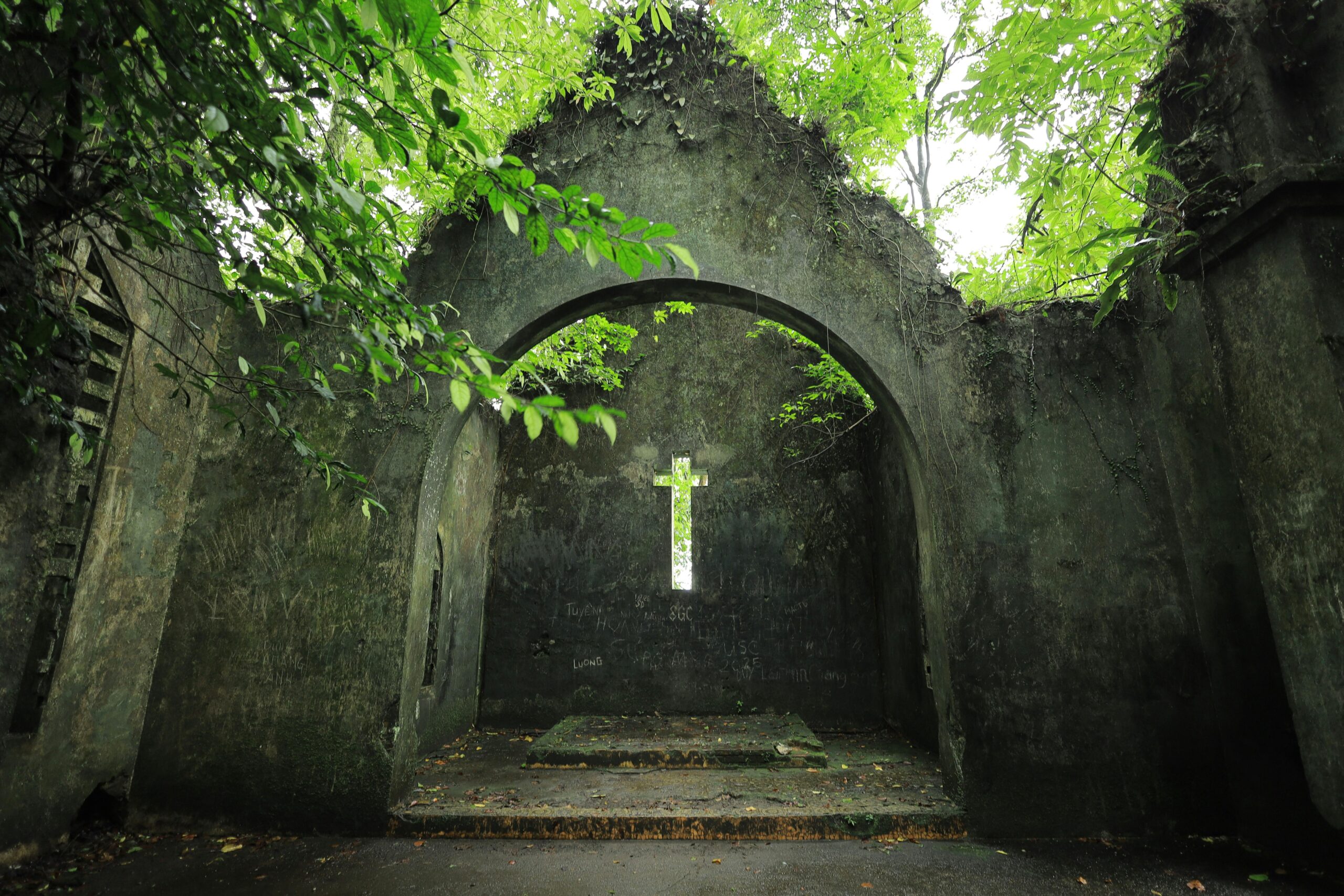
🔮 Looking Forward: Sacred Spaces in an Uncertain Future
As we continue unearthing these sacred secrets, we bear responsibility for determining how these rediscovered complexes will be understood, preserved, and experienced by future generations. The decisions made today regarding conservation approaches, access policies, and interpretive frameworks will shape how these sites function in the cultural landscape of tomorrow.
Digital preservation technologies offer new possibilities for sharing these sacred spaces with global audiences while minimizing physical impacts from tourism. Virtual reality reconstructions can allow people worldwide to experience these sites, while 3D scanning creates permanent digital records that will survive even if the physical structures eventually succumb to time’s erosion.
The beauty and mystery of forgotten religious complexes remind us that human spiritual seeking has always manifested in material form—in structures designed to honor the divine, facilitate community gathering, and encode theological understanding in stone, plaster, and precious materials. As we rediscover these spaces, we rediscover dimensions of our collective human heritage that enrich our understanding of who we have been and who we might yet become.
The journey of unearthing sacred secrets continues, promising future discoveries that will further illuminate humanity’s diverse expressions of religious devotion and architectural genius. Each forgotten temple brought back to light, each abandoned monastery restored to awareness, expands the tapestry of human spiritual history and invites us to consider what sacred meanings we ourselves are creating for future generations to discover. ✨