Throughout history, civilizations have faced the terrifying power of earthquakes, yet some ancient structures have miraculously survived where modern buildings have crumbled. These architectural wonders reveal sophisticated engineering principles that contemporary engineers are only now beginning to fully understand and appreciate.

The resilience of ancient buildings against seismic forces challenges our assumptions about technological progress. From the temples of Japan to the pyramids of Peru, these structures demonstrate that our ancestors possessed remarkable knowledge of earthquake-resistant design, often achieved through intuitive understanding of physics, careful observation of natural disasters, and generations of trial and error.
🏛️ The Ingenious Flexibility of Ancient Japanese Pagodas
Japanese pagodas stand as perhaps the most impressive examples of earthquake-resistant architecture in the ancient world. These towering wooden structures have survived countless earthquakes over more than a thousand years, including some of the most devastating tremors in recorded history.
The secret lies in their central pillar system, known as “shinbashira.” This massive wooden column runs through the core of the structure but remains largely disconnected from the surrounding floors. During an earthquake, while the outer structure sways, the central pillar moves independently, creating a counterbalancing effect that dissipates seismic energy.
The five-story pagoda at Horyuji Temple in Nara, built in the 7th century, exemplifies this principle perfectly. Despite experiencing numerous powerful earthquakes over 1,400 years, it remains standing without significant structural damage. Modern seismologists have studied these buildings extensively, discovering that their flexibility actually increases their stability during ground motion.
Lessons from Wooden Joint Systems
Ancient Japanese carpenters developed intricate wooden joint systems called “kanawa tsugi” that allowed structures to flex and move without breaking apart. These joints function like shock absorbers, permitting controlled movement while maintaining structural integrity. No nails or metal fasteners were used, only precisely carved wood pieces that fit together with remarkable precision.
Contemporary skyscraper designers have adopted similar principles, incorporating flexible joints and dampening systems that allow buildings to sway rather than resist seismic forces rigidly. The ancient wisdom of yielding to nature’s power rather than fighting it has proven timeless.
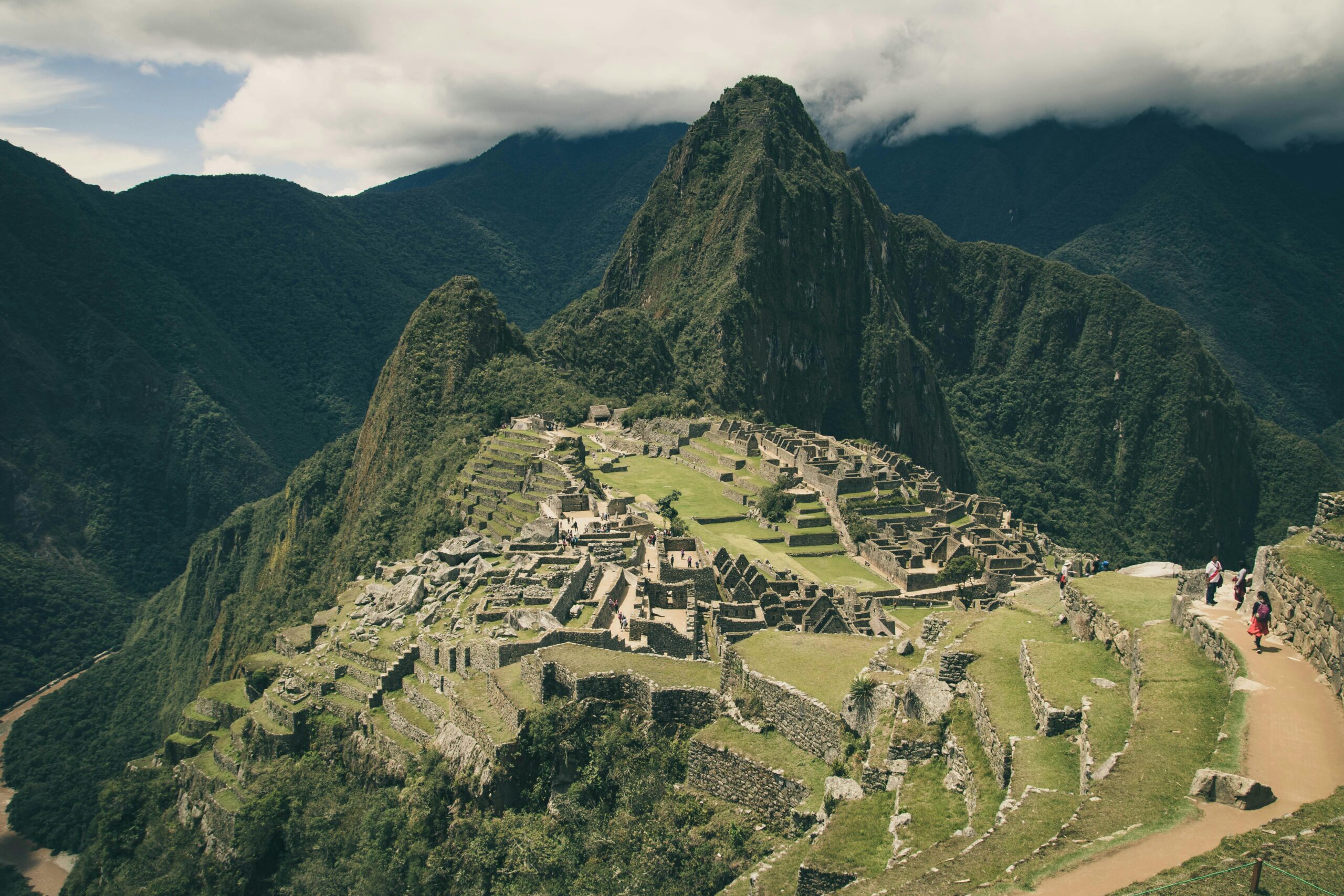
🗿 The Mysterious Stonework of Machu Picchu and Cusco
In the Andean highlands of Peru, the Inca civilization developed a completely different approach to earthquake-resistant construction. Their massive stone structures, built without mortar, have withstood centuries of seismic activity in one of the world’s most earthquake-prone regions.
The technique, known as “ashlar masonry,” involved cutting stones so precisely that they fit together without any binding material. Each stone was uniquely shaped with slightly inward-slanting sides, creating a puzzle-like interlocking system. During earthquakes, these stones would move slightly, then settle back into their original positions.
The walls of Sacsayhuamán fortress near Cusco demonstrate this technique spectacularly. Some stones weigh more than 100 tons, yet they remain perfectly fitted together. When earthquakes strike, the stones perform a subtle “dance,” moving independently yet maintaining overall structural cohesion.
The Trapezoid Shape Strategy
Inca builders consistently used trapezoidal doorways, windows, and niches throughout their structures. This wasn’t merely aesthetic—the wider base and narrower top created exceptional stability. The shape naturally distributes weight and lateral forces more effectively than rectangular openings, reducing stress concentration points where cracks typically form.
Modern engineers have validated this ancient wisdom through computer modeling and stress analysis. The trapezoidal shape reduces earthquake-induced stress by up to 30% compared to traditional rectangular openings, a principle now incorporated into contemporary earthquake-resistant design codes in various countries.
⚡ The Hagia Sophia’s Revolutionary Dome Engineering
Built in Constantinople (modern-day Istanbul) in 537 CE, the Hagia Sophia represents a masterpiece of Byzantine engineering that has survived numerous catastrophic earthquakes. Its massive dome, spanning over 100 feet in diameter, seemed to defy the architectural limitations of its time.
The secret lay in the use of lightweight materials and strategic weight distribution. The dome was constructed using special bricks made from pumice stone, volcanic material significantly lighter than standard clay bricks. This reduced the overall load while maintaining structural volume.
Additionally, the architects employed a series of semi-domes and buttresses that created a cascading support system. When seismic waves travel through the structure, these architectural elements work together to distribute forces across multiple load paths rather than concentrating stress in single points.
Mortar Innovation and Flexibility
Byzantine builders developed a revolutionary mortar mixture containing crushed brick dust and volcanic ash. This mortar possessed slight elastic properties, allowing minimal movement between stones without cracking. The mortar joints effectively functioned as expansion spaces, absorbing small movements during ground shaking.
Chemical analysis of the Hagia Sophia’s mortar has revealed a composition remarkably similar to modern polymer-modified mortars designed specifically for seismic zones. The ancient builders achieved through experimentation what modern scientists developed through laboratory research.
🌋 The Pantheon’s Pioneering Concrete Technology
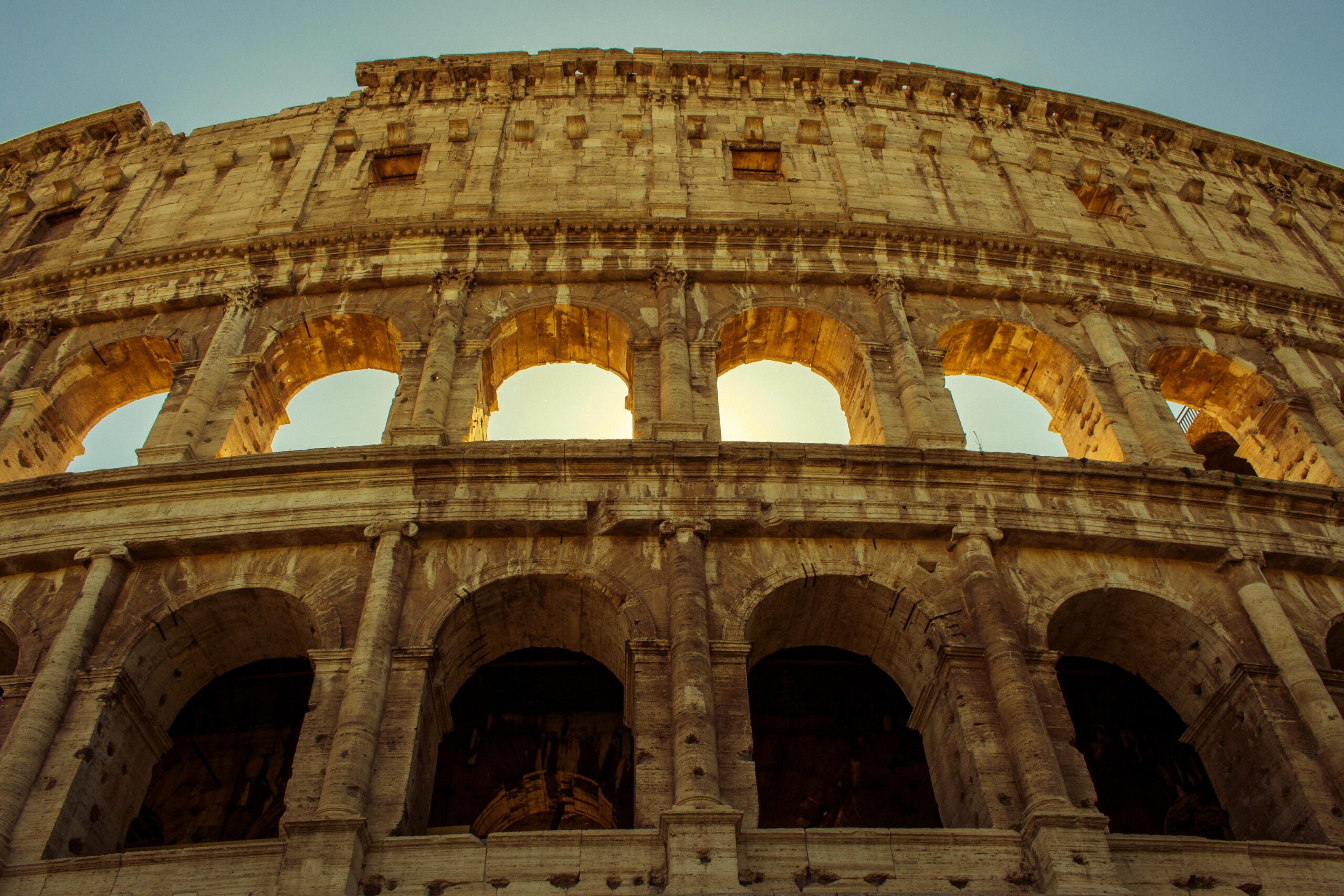
Rome’s Pantheon, completed in 128 CE, boasts the world’s largest unreinforced concrete dome, and it remains in excellent condition nearly two millennia later. While Rome isn’t as seismically active as some regions, the building has endured significant tremors throughout its existence.
Roman engineers developed sophisticated concrete technology that contributed to the structure’s longevity and earthquake resistance. They used volcanic ash from Pozzuoli, creating what we now call pozzolanic concrete, which actually strengthens over time through continued chemical reactions.
The dome’s thickness varies strategically from 21 feet at the base to just 4 feet at the oculus (central opening). This gradual reduction in weight and mass creates a natural structural hierarchy where forces flow smoothly toward the foundation without creating stress concentration zones.
Aggregate Selection and Strategic Placement
The Romans didn’t use uniform concrete throughout the Pantheon. At the dome’s base, they incorporated heavy aggregates like travertine and tufa. Moving upward, they progressively switched to lighter materials, using pumice and even hollow clay pots near the top. This careful material graduation optimized the structure’s seismic response characteristics.
Modern earthquake engineering employs similar principles, using high-density materials at foundations and progressively lighter materials at higher elevations to reduce seismic mass and improve structural period characteristics.
🏔️ Tibetan Rammed Earth and Flexible Wall Systems
The Potala Palace in Lhasa, Tibet, constructed primarily in the 17th century on earlier foundations, demonstrates remarkable earthquake resilience despite being built in a seismically active mountain region. The structure combines rammed earth, stone, and timber in a sophisticated multi-material system.
Tibetan builders developed walls that taper inward as they rise, sometimes with an inward incline of up to 10 degrees. This creates a lower center of gravity and exceptional stability. The walls’ significant thickness at the base (up to 16 feet) provides massive inertia that resists lateral movement.
The rammed earth construction technique involved compacting layers of earth mixed with gravel, small stones, and organic binders. This created walls with inherent damping properties—the ability to absorb and dissipate seismic energy through internal friction between particles.
Timber Frame Integration
Within the massive masonry walls, Tibetan builders incorporated timber frames called “banche.” These wooden elements, invisible from the outside, provided tensile strength that masonry alone cannot offer. During earthquakes, the timber framework held the masonry together even if individual elements cracked.
This composite construction approach predates modern reinforced concrete by centuries, yet employs the same fundamental principle: combining materials with different mechanical properties to create superior overall performance.
🕌 The Minaret Strategies of Islamic Architecture
Tall minarets throughout the Islamic world, particularly in earthquake-prone regions like Turkey, Iran, and Central Asia, have demonstrated remarkable seismic resilience. These slender towers, seemingly vulnerable to lateral forces, incorporate clever engineering solutions.
Many historic minarets feature a slight helical twist in their design, which disrupts the resonance patterns that can amplify earthquake vibrations. This twist prevents the establishment of standing waves that could magnify oscillations to destructive levels.
Additionally, minarets often employed a segmented construction approach, with each cylindrical section slightly independent from the others. Stone or brick rings at regular intervals created deliberate discontinuities that prevented seismic waves from traveling efficiently through the entire height of the structure.
Foundation Isolation Techniques
Archaeological investigations of collapsed historic minarets have revealed that many were built on layers of sand or wooden planks rather than solid bedrock. Initially puzzling to researchers, this technique actually provided a primitive form of base isolation—the foundation could slide slightly during earthquakes, reducing the energy transmitted to the superstructure.
Modern seismic isolation bearings work on the same principle, allowing buildings to move independently from ground motion. The ancient builders discovered through observation what modern engineers developed through complex mathematical analysis.
📊 Comparative Analysis of Ancient Seismic Technologies
| Structure Type | Primary Mechanism | Key Innovation | Modern Equivalent |
|---|---|---|---|
| Japanese Pagodas | Flexible central pillar | Independent oscillation | Tuned mass dampers |
| Inca Stonework | Interlocking without mortar | Controlled movement | Seismic joints |
| Hagia Sophia | Cascading support system | Multiple load paths | Redundant structural systems |
| Roman Pantheon | Variable density concrete | Mass gradient | Lightweight concrete technology |
| Tibetan Palaces | Composite materials | Timber-masonry integration | Reinforced masonry |
🔬 Modern Rediscovery and Application
Contemporary earthquake engineering has come full circle, rediscovering and validating many principles that ancient builders employed intuitively. The field of archaeoseismology now specifically studies how historic structures responded to earthquakes, extracting design principles applicable to modern construction.
The concept of aseismic design—building structures that work with seismic forces rather than simply resisting them—directly echoes ancient philosophy. Modern base isolation systems, energy dissipation devices, and flexible structural systems all have philosophical precedents in ancient architecture.
Japanese engineers studying traditional pagodas developed the “shinbashira strategy” for modern skyscrapers, installing massive damping columns that function similarly to ancient central pillars. The Tokyo Skytree, one of the world’s tallest towers, employs this ancient principle scaled up with modern materials and precision engineering.
Biomimicry and Ancient Wisdom
The intersection of ancient engineering and modern biomimicry has proven particularly fruitful. Many ancient earthquake-resistant techniques actually mirror natural structures—bamboo’s flexibility, tree roots’ interlocking patterns, and the hierarchical structure of bone tissue. Ancient builders observed nature closely, incorporating these principles into their constructions.
Current research programs at universities worldwide specifically examine ancient structures using modern analytical tools like finite element analysis, laser scanning, and seismic simulation. These studies consistently reveal sophisticated understanding of structural dynamics embedded in buildings constructed centuries before calculus was invented.
🌍 Preservation Challenges and Lessons for the Future
Many ancient earthquake-resistant structures now face their greatest threats not from seismic activity but from modern interventions and environmental changes. Well-intentioned restoration projects have sometimes compromised original seismic resistance by introducing rigid materials or removing flexible elements misunderstood by modern engineers.
Climate change presents new challenges as well. Changing moisture patterns affect earth and timber structures, while increased weathering impacts stone and masonry. Preserving these ancient marvels requires understanding not just their architectural form but the engineering principles that made them resilient.
The greatest lesson from ancient seismic engineering isn’t any single technique but rather an approach—careful observation, respect for natural forces, willingness to allow controlled flexibility, and integration with local materials and conditions. Modern construction, often standardized and inflexible, could benefit enormously from this holistic perspective.
💡 Implementing Ancient Wisdom in Contemporary Construction
Developing nations in seismically active regions have begun incorporating ancient techniques into modern construction, creating hybrid approaches that combine traditional wisdom with contemporary materials. In Peru, engineers have developed interlocking concrete blocks inspired by Inca stonework, providing earthquake resistance at lower costs than conventional reinforced concrete.
In regions where traditional timber framing declined, there’s renewed interest in these methods for small-scale construction. Timber frame buildings with appropriate joint systems can provide excellent earthquake performance while using sustainable, locally available materials.
The challenge lies in codifying these ancient principles into modern building codes and engineering education. Most structural engineering curricula focus exclusively on modern materials and methods, leaving graduates unfamiliar with traditional techniques that have proven effective over centuries.
🏗️ The Future of Seismic Design
As we face increasing earthquake risks due to population concentration in seismic zones and aging infrastructure in developed nations, ancient engineering offers valuable insights. The next generation of earthquake-resistant design will likely integrate traditional flexibility and adaptability with modern materials and computational design tools.
Smart materials that can change properties in response to seismic forces represent a high-tech version of ancient adaptive structures. Shape-memory alloys that can deform and return to original configurations mirror the behavior of ancient interlocking stonework at a molecular level.
The most important legacy of ancient seismic engineering may be philosophical rather than technical—the understanding that safety doesn’t require absolute rigidity but rather intelligent flexibility, that local knowledge and materials matter, and that observing how structures perform over generations provides wisdom no laboratory test can replicate.
These architectural marvels stand as testament to human ingenuity and adaptability. They remind us that sustainable, resilient design doesn’t always require cutting-edge technology but sometimes demands that we look backward to move forward, learning from those who built not just for their generation but for millennia to come.